
Introduction
There is a problem that is small in size but large in impact across software engineering and systems of every type, size and technology. It exposes these services or systems to an almost complete outage or a severe disruption, and these attacks stem first and foremost from not understanding the nature of the internet and how it works, especially on the programmers' side, since every programmer should know how to protect their digital systems on the internet from manipulation.
Its Risks
Since the start of the digital age, marked first by the emergence of the internet, the internet has evolved tremendously thanks to the enormous progress in programming languages and frameworks that made many different websites and technologies possible, serving individuals, companies, institutions and governments. This has been matched by very rapid growth in one particular area: hacking. Programmers today face major challenges in securing digital systems, especially those open to all users on the internet, and among the most common attacks aimed at taking services down is the:
DDOS
Securing the System
To solve this problem at its root, programmers must secure their systems by building a mechanism called a
Rate Limiter
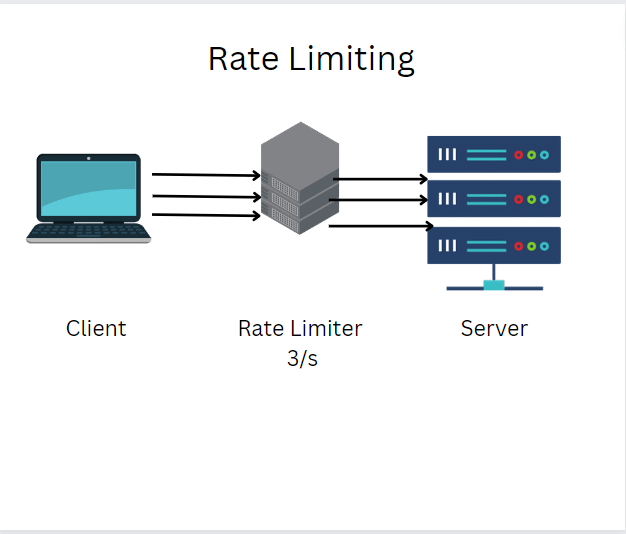
It is a clear, practical mechanism that limits the number of requests a user can make within a given period of time; if the user exceeds that limit, the service is suspended for them for a set period. This process also protects server resources and limits bot attempts, and it is especially important for sensitive requests such as sign-in, online payment and generating large reports. It stops an attacker from repeated guessing by cutting off the service for a period of time, and it can be implemented in many ways depending on the technologies used.
It can be applied to:
Monolith, Microservices, servers, services…etc
Conclusion
Systems exposed openly on the internet require many layers of protection, and starting with this measure in particular is a major and very important advantage for keeping systems secure and stable for their users, as well as keeping server resources stable by rejecting fake or fraudulent requests.




























 English
 Arabic
