
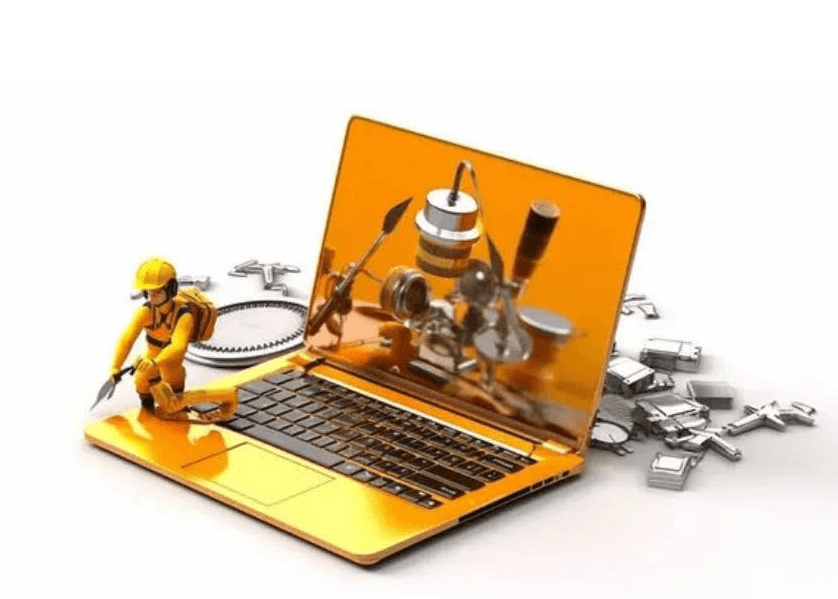
The Concept of Computer Maintenance
Computer maintenance (Computer Maintenance) is, in general, a periodic process that keeps the computer working as required and prevents critical problems the device may face later.
Computer Maintenance Criteria:
1. Adaptive: Modifying the system to adapt to changes in the software environment (database management system, operating system).
2. Perfective: Implementing new or changed user requirements related to functional improvements of the software.
3. Corrective: Diagnosing and fixing errors, some of which users may discover.
What are the types of maintenance?
1. Periodic maintenance (Time-based maintenance) – TBM. ...
2. Predictive maintenance (Condition-based maintenance – CBM) ...
3. Autonomous maintenance (JISHU HOZEN). ...
4. Corrective maintenance (1957).
What are the benefits of computer maintenance?
Computer maintenance is an important process: it helps detect any problems early and reveals viruses or unwanted programs that could seriously harm the device. In addition, periodic maintenance can improve the computer's performance and the efficiency of its software.
Tools used in computer maintenance:
These are the tools that help carry out many maintenance and repair tasks, and the person doing the maintenance should be able to use them.
1. A good, varied set of screwdrivers, preferably with magnetic tips to pick up screws easily, used to remove and install computer components smoothly.
2. Tweezers:
Used to pick up small parts such as the jumpers on the motherboard.
3. Flashlight
Used to see fine details in dark areas of the system case, and also to spot burn marks and moisture on the motherboard.
4. Dust blower:
Used to remove dust and particles that build up inside the system case, which block airflow and raise the temperature, which can affect the computer's speed and efficiency.
5. Multimeter.
Used as a testing and measuring tool for:
1. Electric current.
2. Voltage.
3. Resistance.
4. Fuses.
5. Batteries.
6. Diodes.
6. Tool bag:
Used to keep all the previous tools together so that any of them can be used as soon as you need it during maintenance work.
Stages of computer development:
The first generation (1946–1959):
First-generation computers relied on vacuum tubes and cathode-ray tubes, and were programmed in machine language
which consists of only two characters, 1 and 0, together with magnetic tape as a fast, high-capacity storage unit and punched-card readers as the computer's input and output unit.
2. The second generation (1959–1965):
Transistors, discovered by
Shockley, Bardeen and Brattain, then replaced vacuum tubes as the main information processor.


























 English
 Arabic
